The artwork on a boba cup is only ever as good as the surface it lands on, and that surface is decided long before any ink is mixed. A polypropylene cup accepts ink differently than a crystal-clear PET one, and a 500-unit launch run is printed on completely different equipment than a 50,000-unit reorder. Choosing a decoration method for custom boba cups really means matching three things at once: the plastic, the artwork, and the size of the order. Get any one of them wrong and you either overpay, wait weeks longer than you needed to, or watch your logo scuff off the first time a cup rubs against the ice bin.
Start with the plastic, because it limits the print
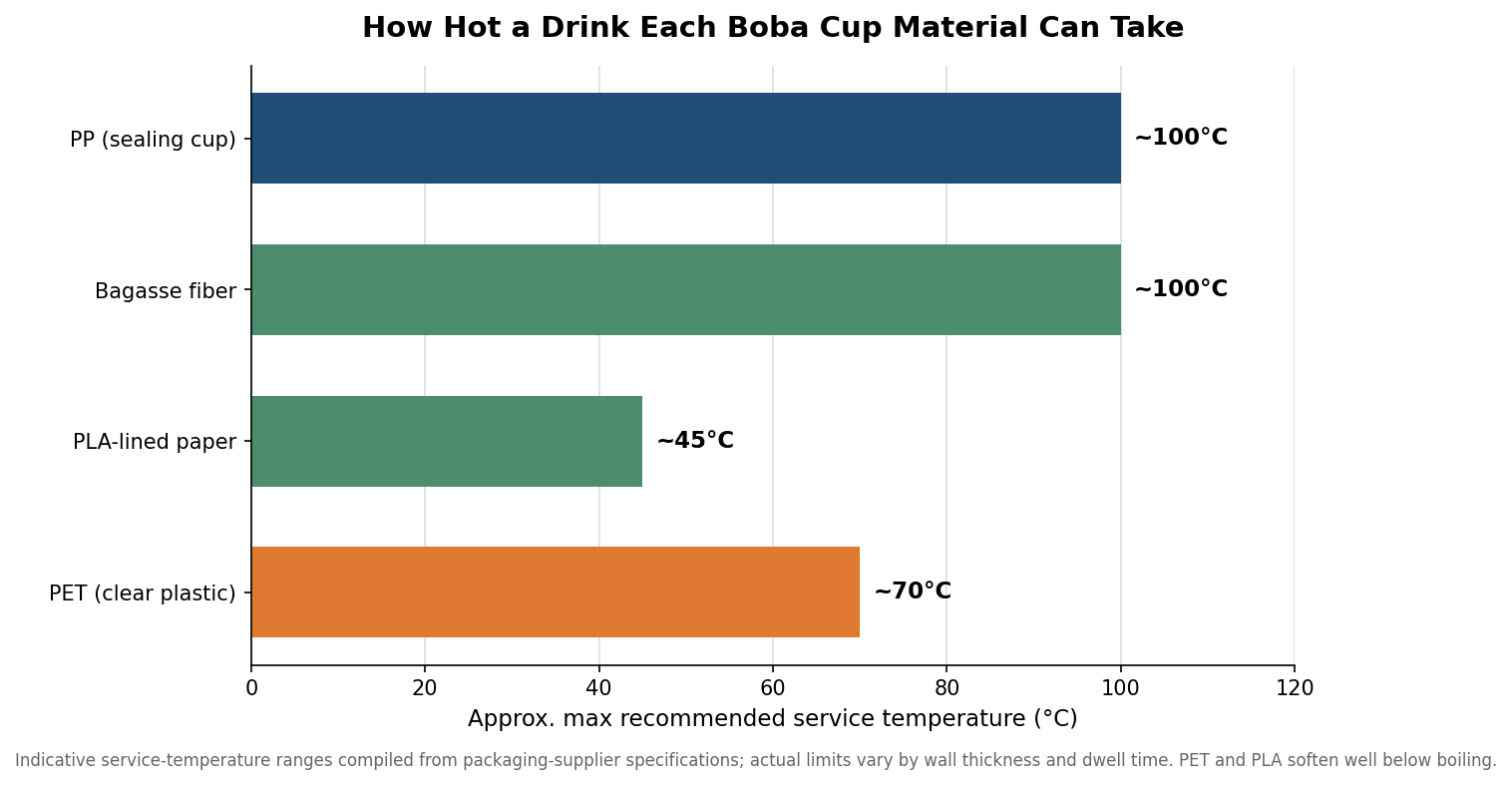
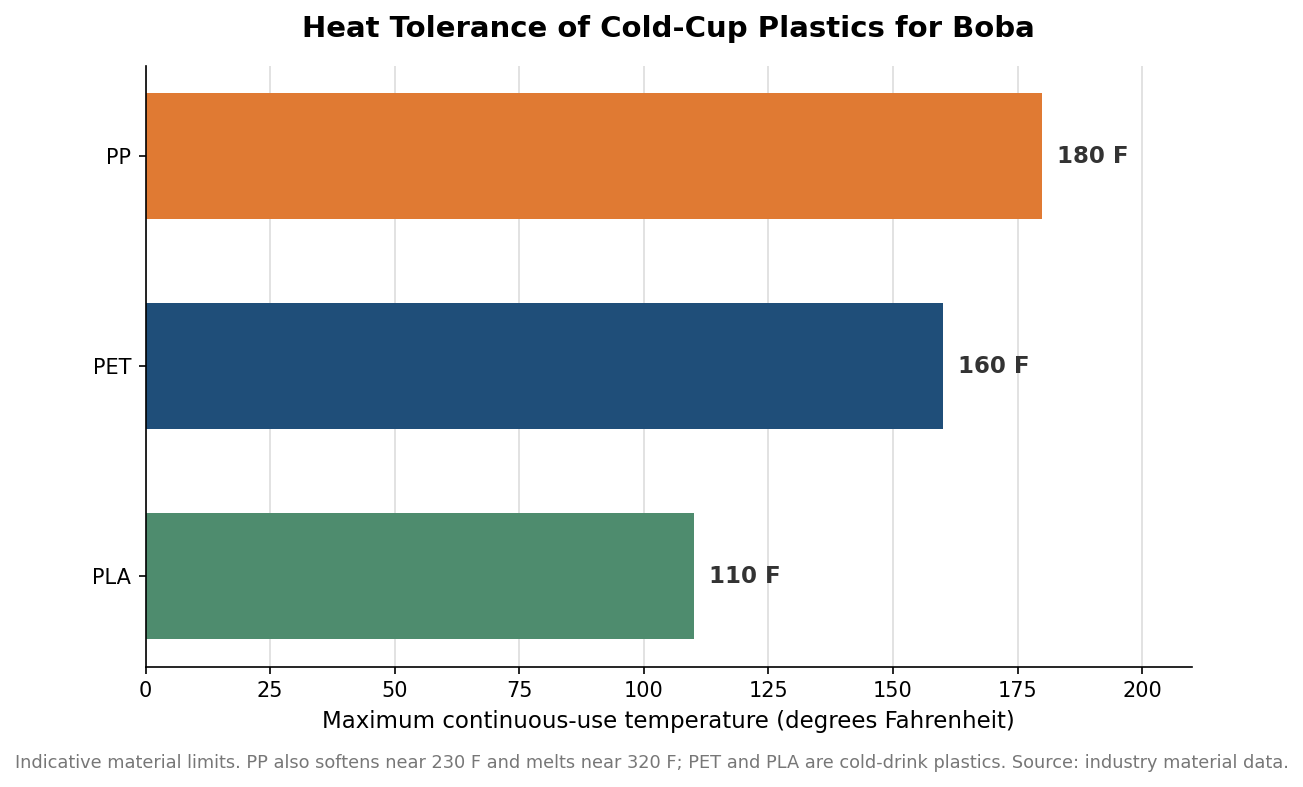
Cold-drink cups come in three common plastics, and each one changes what a printer can do. PET is the glass-like option most shops picture for boba: it shows off a layered milk tea or a fruit soda vividly, and it holds sharp ink and strong dark-on-clear contrast. Its weakness is heat, with a practical ceiling around 160 F, so it is a cold-drink material only. Polypropylene (PP) is more translucent and less showy, but it tolerates both hot and cold, staying stable in continuous use near 180 F and only softening around 230 F. The catch for printing is adhesion: PP usually needs a surface pre-treatment such as corona or flame treatment before ink will bond reliably. PLA, the plant-based clear cup, looks close to PET but is the most heat-sensitive of the three, losing its shape above roughly 110 F, and it carries a recycling code of #7 that most curbside programs will not take. PET is #1 and PP is #5 by comparison. Decide which of these you are printing on first, because it quietly rules some methods in and others out.
Screen printing and dry offset: solid brand colors at volume
Screen printing pushes ink through a fine mesh stencil directly onto the cup, using one screen per color. It is the workhorse for one or two spot colors, and it can stretch to around four, producing crisp logos, clean type and durable ink that stands up to handling and condensation. The tradeoffs are baked into how it works: every color is a separate screen with its own setup, and keeping colors in register with each other gets harder as the count climbs, which is why busy multi-color art gets expensive fast. Dry offset, sometimes called letterset, is the high-speed cousin. It picks up all the colors and transfers them to the cup in a single pass off a rubber blanket, which makes it well suited to multi-color line art wrapped around the body at the volumes stock-cup factories run. Neither method is built for photographic gradients or subtle blends; both are at their best with flat, defined brand colors.
Shrink sleeves, heat transfer and UV: full wrap and photo-real art
When the design calls for edge-to-edge coverage, a photograph, or a smooth gradient, you move past the spot-color methods to a film-based or full-color process. A shrink sleeve is a printed plastic film slipped over the cup and heat-shrunk to hug its shape, wrapping the entire surface top to bottom and reproducing photographic artwork cleanly. The cost is an extra labeling step and a second material that separates from the cup at end of life, which matters if recyclability is part of your pitch. Heat transfer bonds a pre-printed film to the cup with heat and pressure, delivering full-color, high-detail graphics with good durability. UV printing cures ink the instant it is laid down using ultraviolet lamps, holding fine detail on PET, PP and PS surfaces. All three carry higher setup than a simple screen job, but they unlock designs that one or two screens simply cannot produce.
Digital direct printing and short runs
Digital direct printing lays full-color artwork straight onto the cup with no plates and no screens, which means there is no per-color setup fee to amortize. That single fact flips the economics for small or personalized batches: an event cup, a seasonal variant, a limited collaboration, or a test run before you commit to a five-figure reorder. Per-cup pricing is higher and the machines run slower than screen or offset, so digital rarely wins once quantities climb into the tens of thousands. But for a first run of a few hundred to a couple thousand cups, it is frequently the only method that makes financial sense, and it lets you prove a design in the real world before you pay for tooling.
What it costs and how long it takes
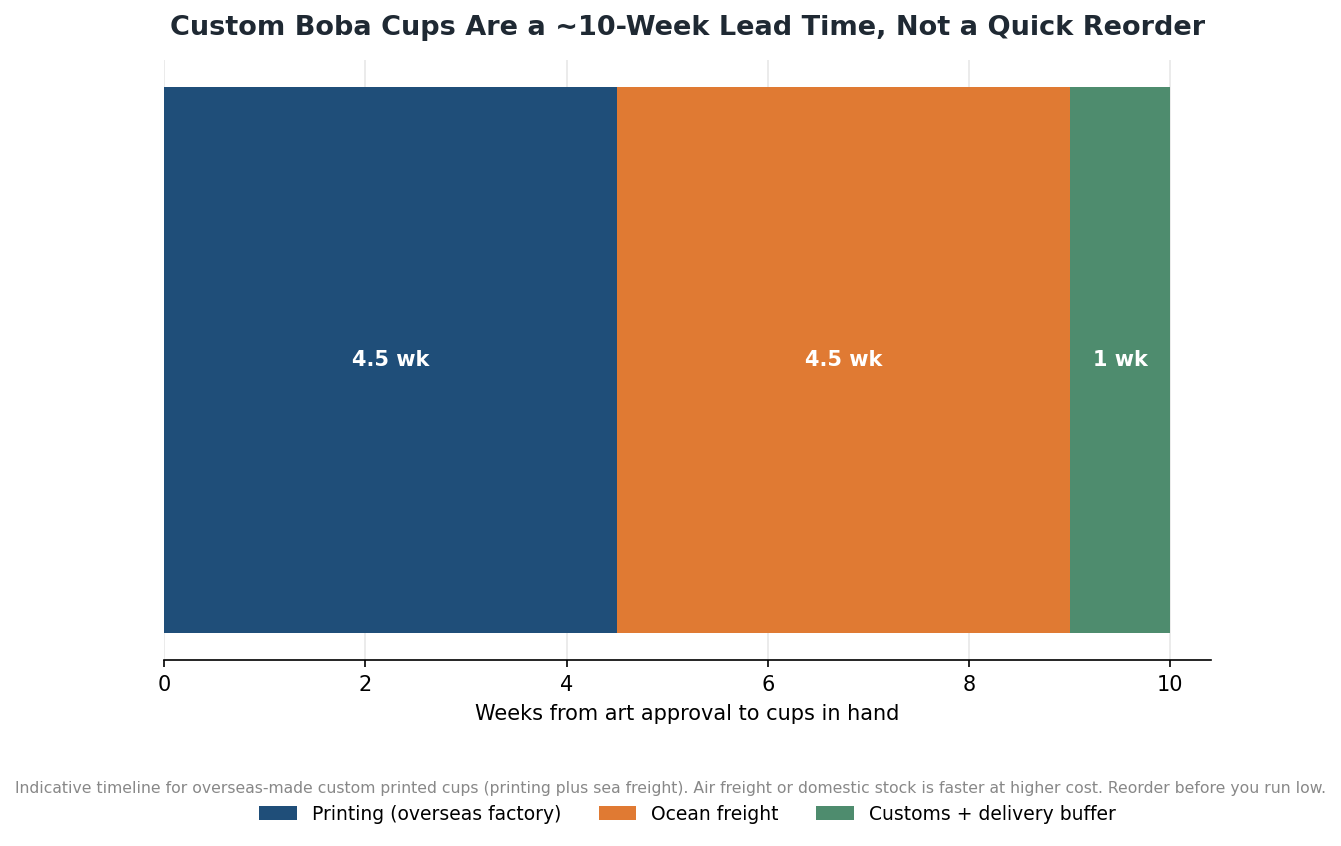
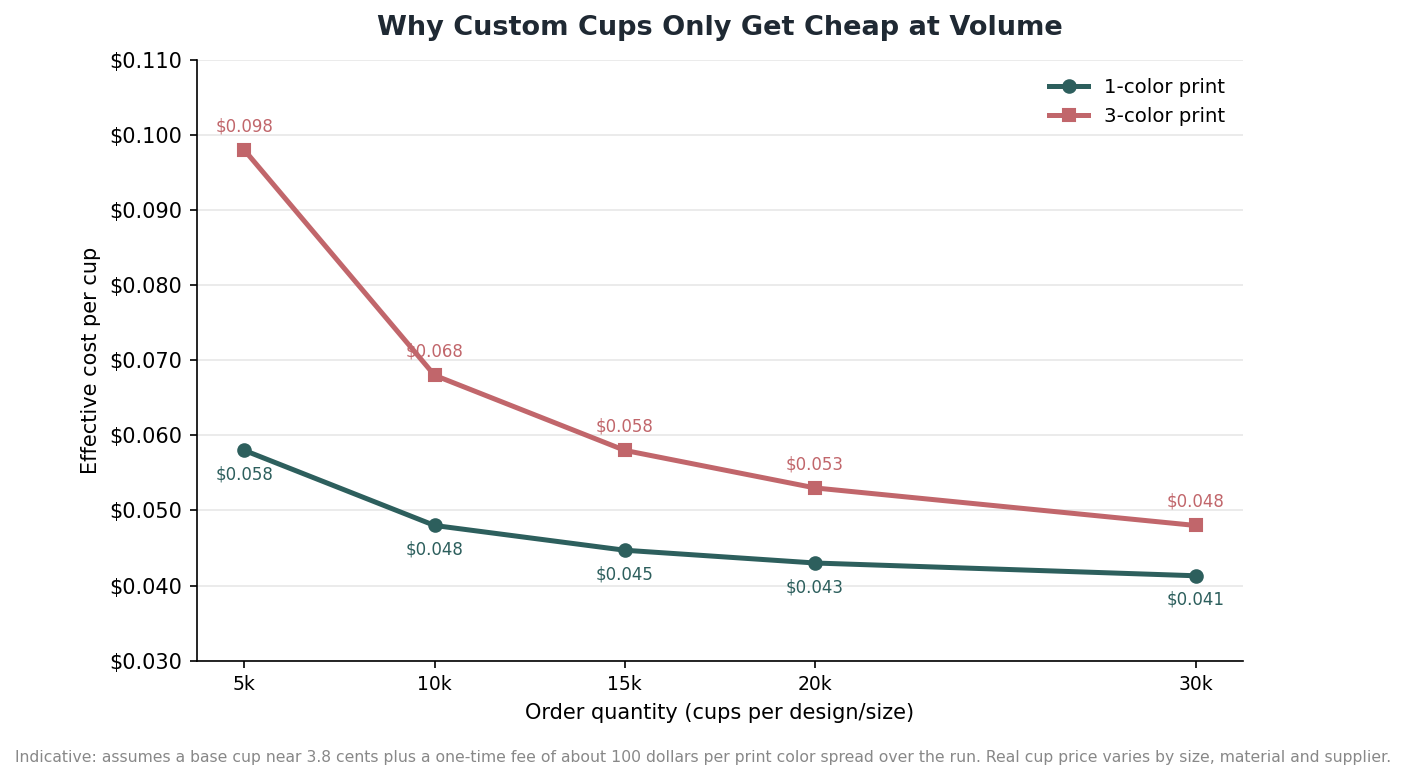
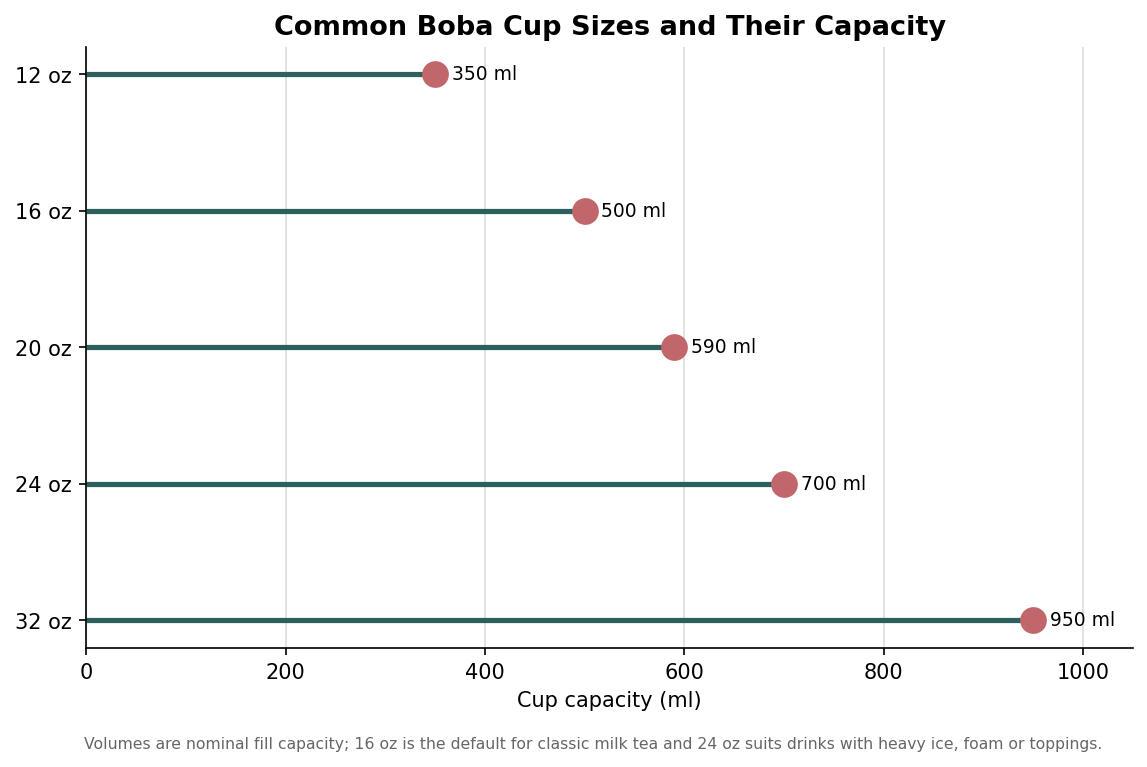
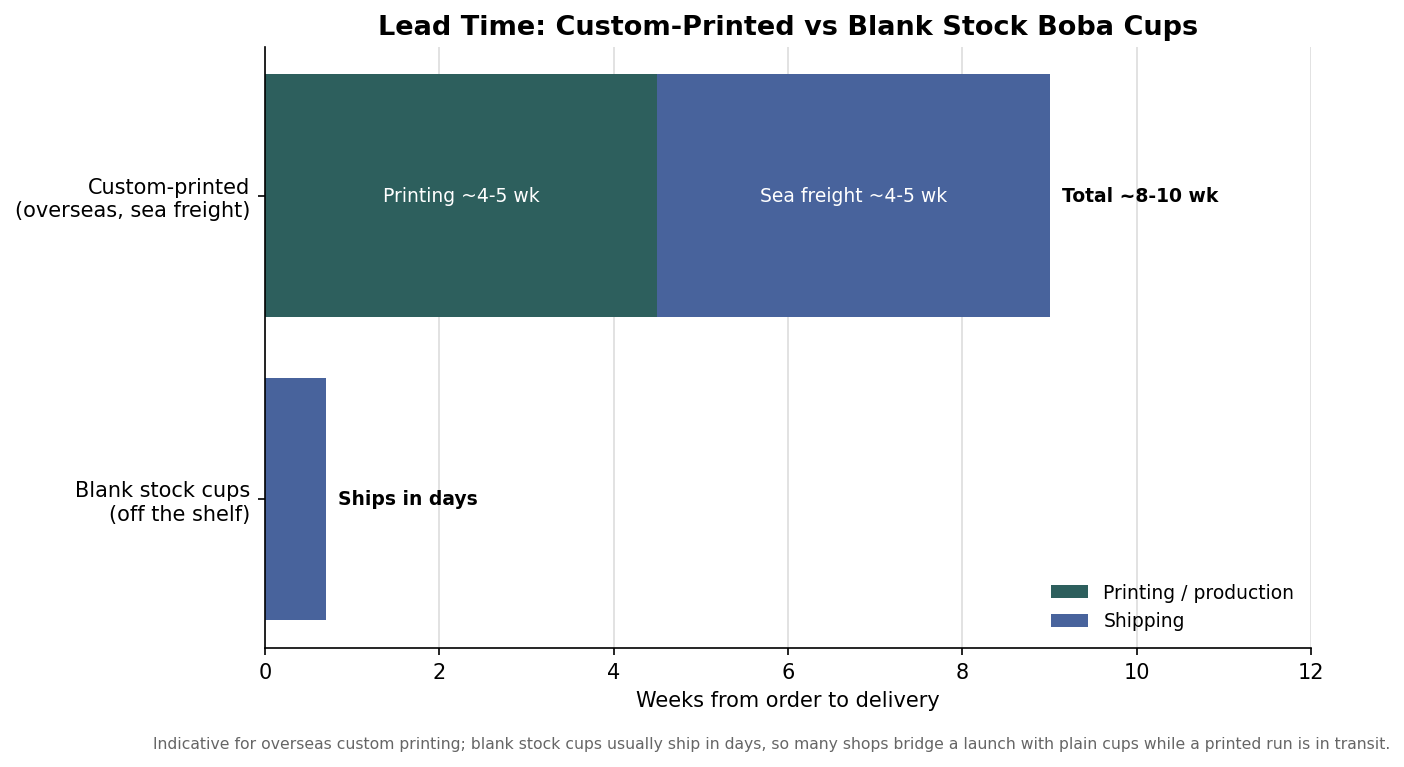
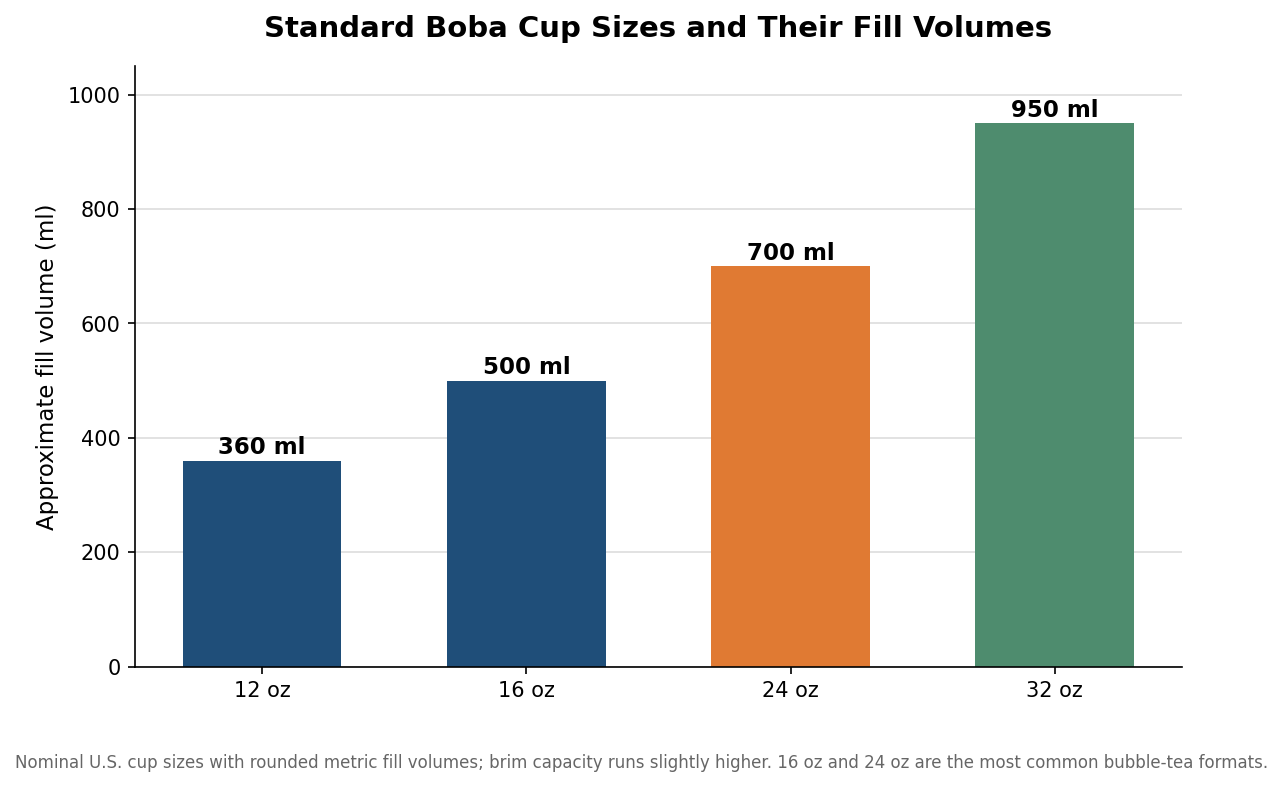
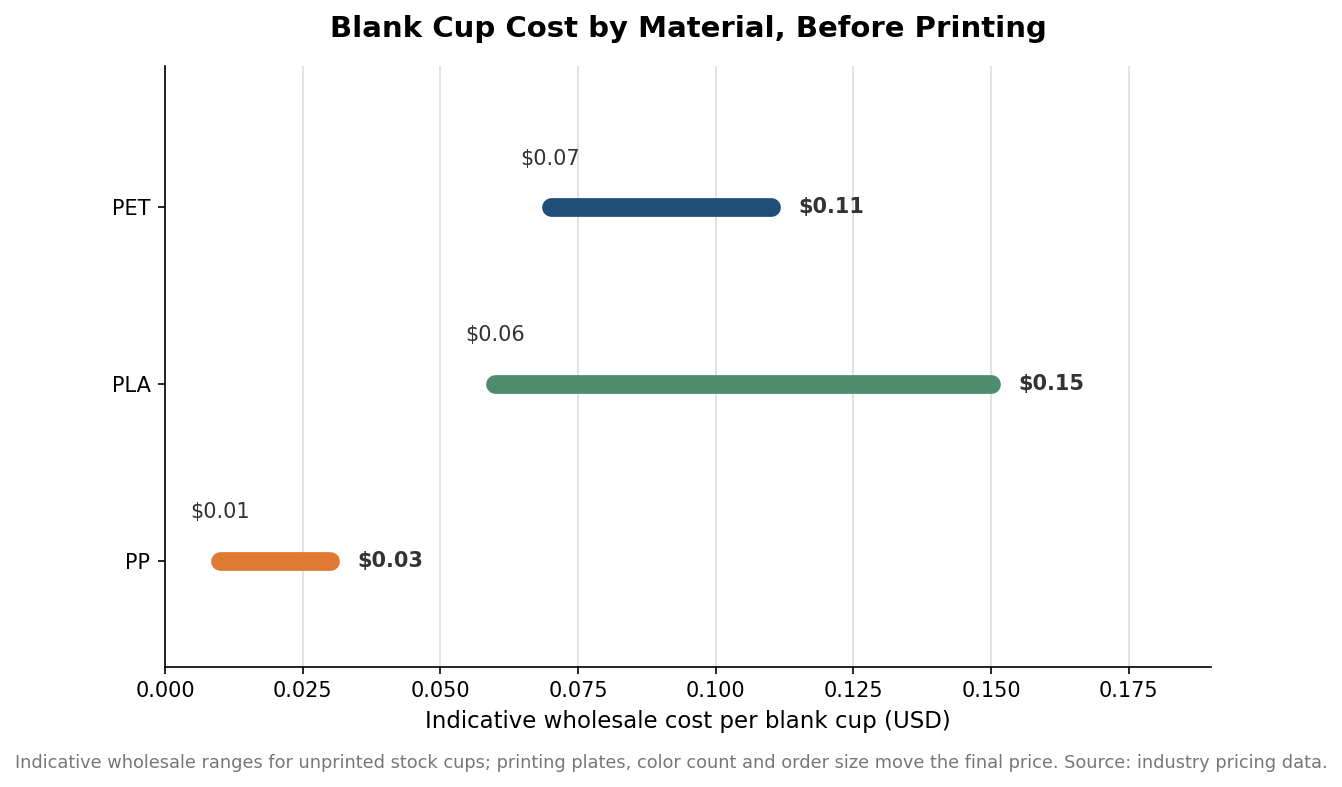
The plate-based methods carry minimum order quantities that typically land in the thousands to tens of thousands per size and color, because the setup only pays off across a long run. The blank cup itself is a smaller part of the bill than most first-time buyers expect: PP stock is the cheapest at roughly one to three cents each, PET sits in the middle around seven to eleven cents, and PLA is the priciest and most variable. Printing rides on top of that. A common structure is a one-time tooling or screen charge on the order of $100 per color, followed by a low per-cup rate that can fall below four cents for PP at volume. Production commonly runs about four to five weeks, and if the cups are made overseas you should add freight, often another four to five weeks by sea from Taiwan or mainland China. Digital short runs can beat those timelines because they skip tooling entirely. Sizes standardize around 12 oz (360 ml), 16 oz (500 ml) and 24 oz (700 ml), with the 700 ml cup being the classic boba format. Treat every figure here as an indicative industry range rather than a quote, because your exact material, color count and quantity will move all of them.
The reliable way to choose is to match the method to the run instead of the reverse. A cost-sensitive PP cup carrying a two-color logo for a high-volume shop points straight at screen printing or dry offset. A launch built around a photographic wrap or a gradient means shrink sleeve, heat transfer or UV, and a larger setup line on the invoice. A small first batch or a personalized event order belongs on digital, where there are no plates to pay for and no reason to over-commit. Decide the plastic first, size the order honestly, and the printing method very often chooses itself.